
What are Stem Cells?
Understanding the Power Behind Regenerative Medicine
Stem cells are the body's natural healing force—special cells with the unique ability to renew and transform into many different types of cells. Unlike regular cells, stem cells step in to repair or replace cells damaged by age, injury, or disease.
This flexibility makes them essential for our healing and recovery.
At Stem Cell Therapy Center Baja in Mexico, we use this natural intelligence to help patients recover faster, reduce inflammation, and restore long‑term wellness. We only use the most pontent stem cells (WJ-MSCs) from one of the most reputable biotechnology companies in the country. They are carefully processed in a federally authorized lab to ensure purity, consistency, and high therapeutic potential.

Ethically Sourced & Certified by
Mesenchymal Stem Cells—often called MSCs—are the most widely studied for therapeutic use. They are a type of adult stem cell found naturally in our tissues like bone marrow, fat and umbilical cord tissue (WJ-MSC). They’re known for their ability to calm inflammation, repair damaged tissue, and communicate with the immune system in ways that promote balance and healing.
MSCs: Our Natural Healers

What are MSCs & WJ-MSCs?
WJ-MSCs: The Most Potent form of MSCs
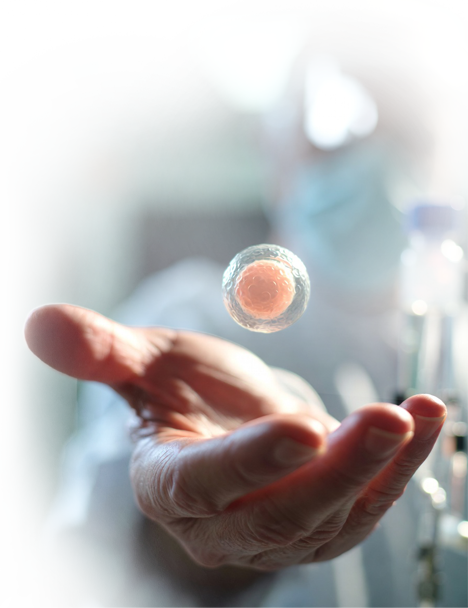
Wharton's Jelly-Mesenchymal Stem Cells (WJ‑MSCs) come from the Wharton’s jelly of healthy, ethically donated umbilical cords. Because they are young, vibrant, and naturally abundant this makes them more potent than adult MSCs. Their regenerative strength allows patients to experience meaningful improvements with less downtime. WJ‑MSCs are considered the "Holy Grail" in modern regenerative medicine.
For patients traveling to Mexico for stem cell therapy, UC-MSC based treatments offer a safe, non‑surgical option for orthopedic injuries, autoimmune conditions, anti‑aging, and overall wellness.
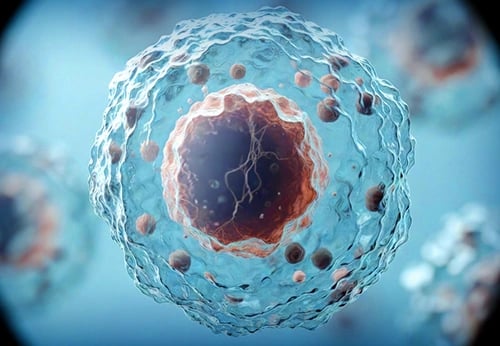
A simple way to think about it:
• MSCs = stem cells your body already has, but they get older and less active as you age. (Can be your own or from donor)
• WJ-MSCs = fresh, young MSCs that haven’t been exposed to aging, stress, or environmental damage, so they tend to be more active and responsive.
Both help repair and replace damaged cells — but WJ‑MSCs usually have higher energy, stronger anti‑inflammatory effects, and greater ability to support healing.
*They also have been officially reported to have low immunogenicity, greater safety profile and have a more regenerative potential.
*(Citation from NIH National library of Medicine Jul 26, 2024
Stem cells don’t simply “replace” damaged tissue—they coordinate healing. Once introduced into the body through IV or targeted injection, MSCs release powerful signaling molecules called cytokines and growth factors. These signals reduce inflammation, calm overactive immune responses, stimulate tissue regeneration, and recruit the body’s own cells to repair damage.
It’s a natural, intelligent process that supports long‑term recovery rather than masking symptoms. This is why patients often choose regenerative medicine over surgery or long‑term medications.
How Stem Cells Work Inside the Body
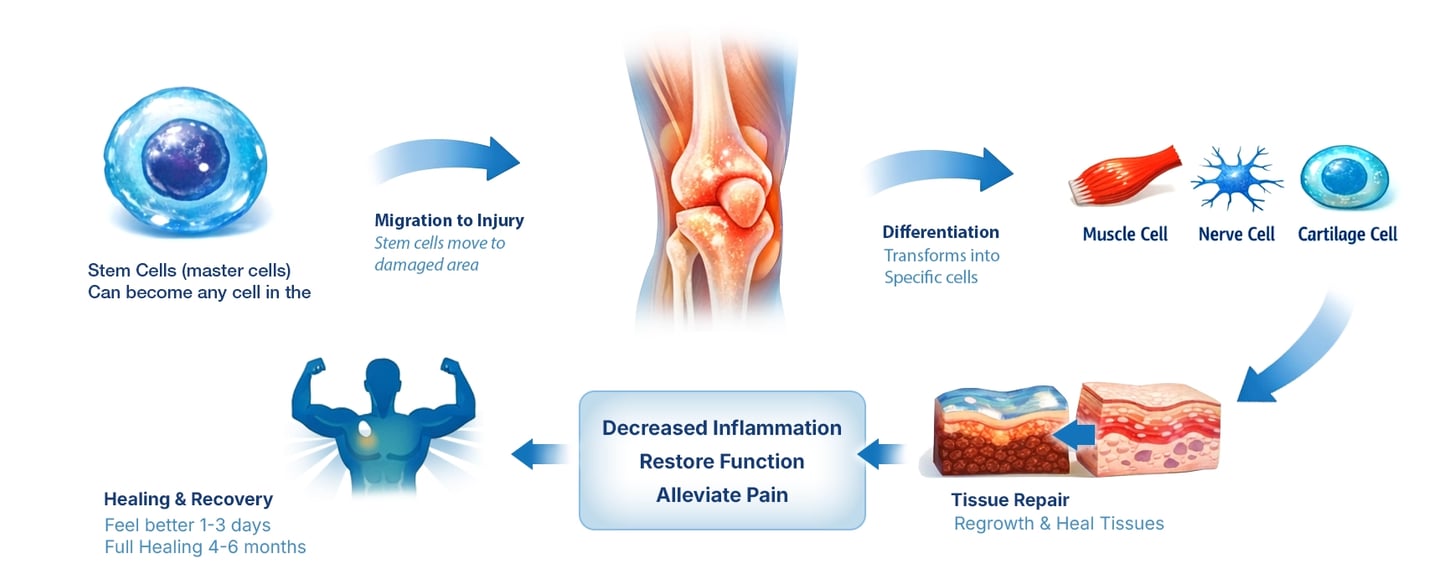
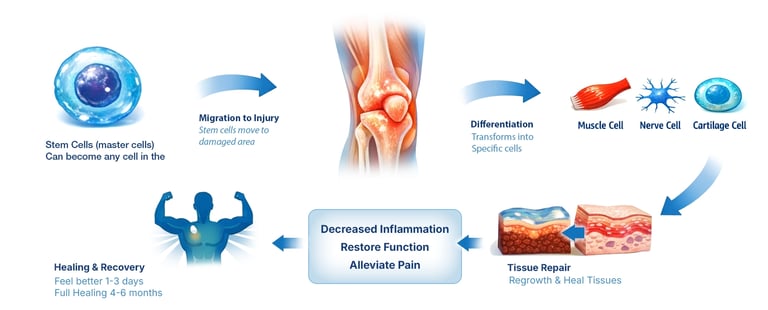
(click image to enlarge)
1. They Reduce inflammation
Chronic inflammation is a major driver of pain, joint damage, autoimmune symptoms, and slow healing. MSCs release signaling molecules that calm an overactive immune response, helping the body shift from inflammation to repair.
2. They signal and activate repair
Instead of directly “replacing” damaged tissue, MSCs act like biological messengers. This process is called paracrine signaling, and it’s one of the most important ways MSCs help healing. They release growth factors and proteins that:
Attract your body’s own repair cells
Support tissue regeneration
Stimulate blood vessel formation (more blood & oxygen circulation) >>
Stem cells can form into different types of cells.
3. They can support tissue regeneration
This is especially relevant in orthopedic and degenerative conditions. In certain environments, MSCs can differentiate (specialize) into supportive cells such as:
How MSCs may help repair the body
Their primary role is to create a better healing environment. Research shows MSCs may support healing in areas such as: Joints & cartilage (knees, hips, shoulders, etc.) tendons and ligaments, muscle injuries, Inflammatory and degenerative conditions (cardiovascular, neurological, lungs, kidneys etc.) and Post-injury recovery.
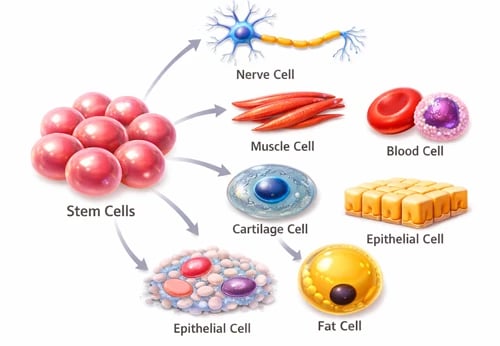
Cartlidge cells
Muscle cells
Skin cells
Stromal cells
CNS cells
Marrow cells
Fat cells
Tendon cells
Ligament cells
Bone cells
What do Stem Cells actually do?
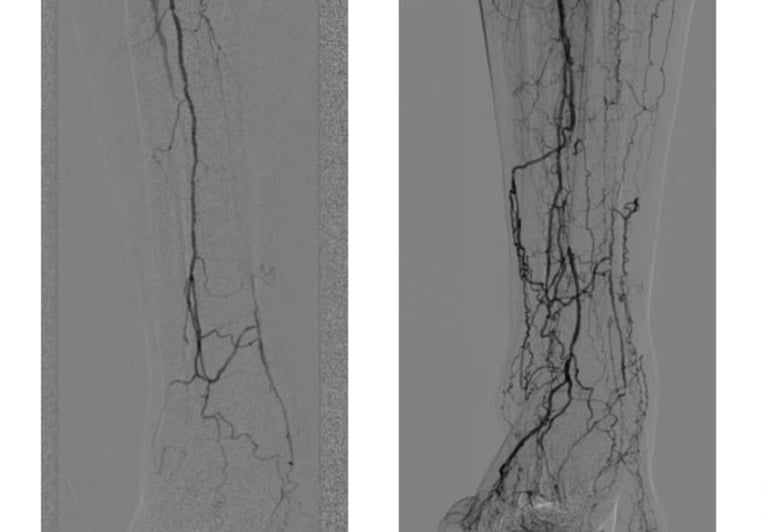
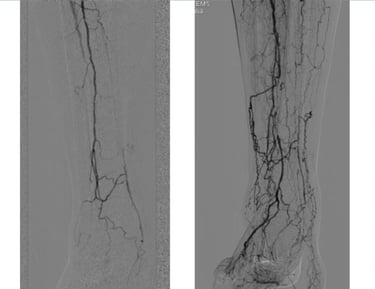
(before stem cells)
Angiogram of blood vessels in a leg to ankle shows increase blood flow
(after stem cells)
Stem Cell Therapy
Targets the underlying cause at a cellular level
Supports the body’s natural repair and regeneration
Less invasive compared to surgery
May reduce long-term dependence on medications
Focuses on restoring function and improving quality of life
Stem cell treatment and traditional medicine represent two distinct paradigms in healthcare. While traditional medicine focuses on using standardized chemical and physical interventions to manage disease, stem cell therapy leverages living cells to actively restore and regenerate biological function at the cellular level.
Stem Cell vs Traditional Treatments
Traditional Medicine
Focuses on managing symptoms, not the root cause
Relies on medications, steroids, or surgery
Temporary relief with diminishing results over time
Potential side effects and long recovery periods
Often leads to repeat treatments or procedures
Key Differences at a Glance:
Stem cell therapy represents a new era in medicine—one focused on regeneration, not just symptom management. At Stem Cell Therapy Center Baja, we help patients access world‑class MSC therapies in Mexico at an affordable cost, with compassionate guidance every step of the way. If you’re ready to explore a natural, science‑backed approach to healing, our team is here to support your journey toward renewed health and quality of life.
A Smarter Path to Healing & Long‑Term Wellness
Stem Cell Benefits:
Reduced Inflammation
Tissue Repair & Regeneration
Pain Reduction
Immune system modulation
Accelerated healing
Reduced Scar Tissue
Organ & Cardiac repair
Neurodegenerative Support
Improved Quality of Life
Reduced need for Medications or Surgery
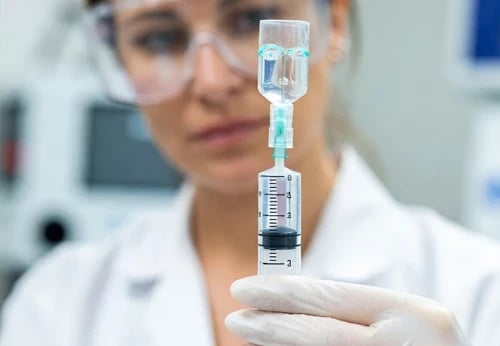
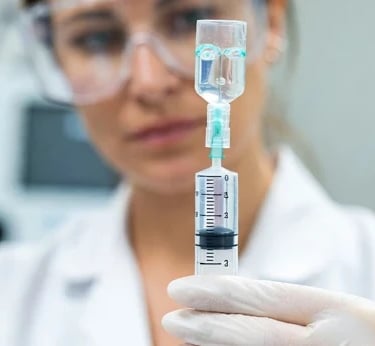
We only use the most potent stem cells in the world, mesenchymal stem cells (UC-MSCs) derived from the "Wharton's jelly" exclusively inside the adult umbilical cord.
Stem cell therapy is a simple yet powerful process. Carefully prepared regenerative cells are delivered through targeted injection or IV, where they naturally migrate to areas of damage, reduce inflammation, and activate the body’s own repair signals—supporting faster recovery, improved function, and long-lasting healing at the "cellular level.
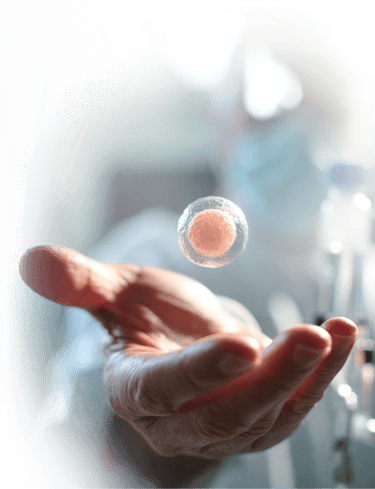
Stem cell therapy—also known as regenerative cell therapy—is among the most advanced medical treatments in modern medicine, with growing global acceptance. Stem cells act as the body’s repair system, working at the source of injury or degeneration to support natural healing, offering hope where traditional treatments fall short.
What is Stem Cell Therapy?

Ethically Sourced & Certified by
What Conditions can Stem Cells Therapy help?
Metabolic & Endocrine Disorders
Gastrointestinal & Digestive Disorders
Sexual Health (ED)
Skin, Wound Healing & Tissue Repair
Not sure if stem cell therapy may help your condition?
Speak with our medical team for a personalized review.
Want to know more about stem cells?
Here are some videos discussing stem cells and the benefits of stem cell therapy.


Real Science. Real Results.
Stem cell therapies have shown measurable improvements across many chronic conditions, backed by clinical research. Clinical data and expert sources say about “success rates” for various conditions treated with stem-cell therapies (note — this varies widely by condition, cell type, and how “success” is defined — e.g., symptom improvement, remission, survival, improved function). Patient factors matter — Age, disease severity, cell type, and follow-up care can significantly affect outcomes.
*Overall success rates range from 50-90% depend on cell type, patients age, overall health, condition being treated. Data is based on published clinical studies.
Not sure if stem cell therapy is right for you?
Our medical team is here to help. Contact us for personalized answers to your specific questions about stem cell therapy.
Contact
Leading the way in regenerative medicine and stem cell therapy in Baja California.
Medical Disclaimer: Results may vary between individuals, and regenerative therapies are not guaranteed. Stem cell treatments are regarded by the FDA as experimental.

© 2025 Stem Cell Therapy Center Baja. All rights reserved.
Quick Links
Primera 25, Lienzo Charro, 22703 Playas de Rosarito, B.C., Mexico
Privacy Policy | Terms of Service



Authorized Laboratory